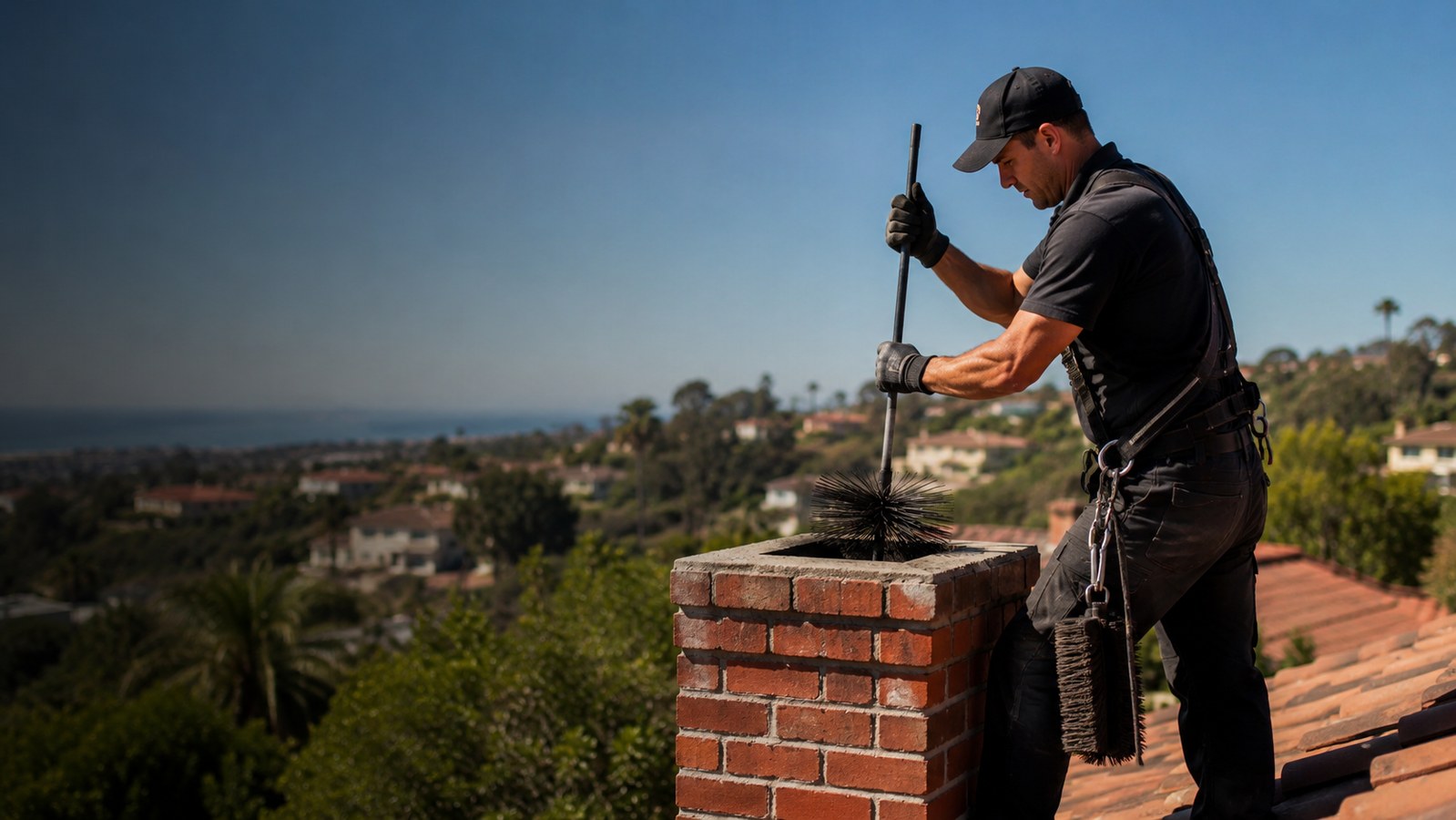
Chimney & Fireplace Services in Los Angeles
Cleaning, sweeping, inspection and repair for chimneys and fireplaces across Los Angeles — from a leaking crown to a gas fireplace that won't light. Call, or request a free estimate.
- Chimney cleaning & sweeping
- Inspection & repair
- Free estimates available
Call (213) 348-6341, or send the details — whichever is easier.
What happens next
- 1Send the short form or call
- 2Your request is reviewed
- 3You hear back to talk it through
- Chimney & Fireplace Services
- Residential chimneys and fireplaces
- Los Angeles Service Areas
- Cities & LA neighborhoods
- Cleaning, Inspection & Repair
- From the flue to the firebox
- Free Estimates Available
- Call or request online
Complete chimney & fireplace care
A chimney is several systems stacked together — the flue inside, the masonry around it, the crown and cap on top, the flashing at the roof and the fireplace at the bottom. Start with the part that is giving you trouble.
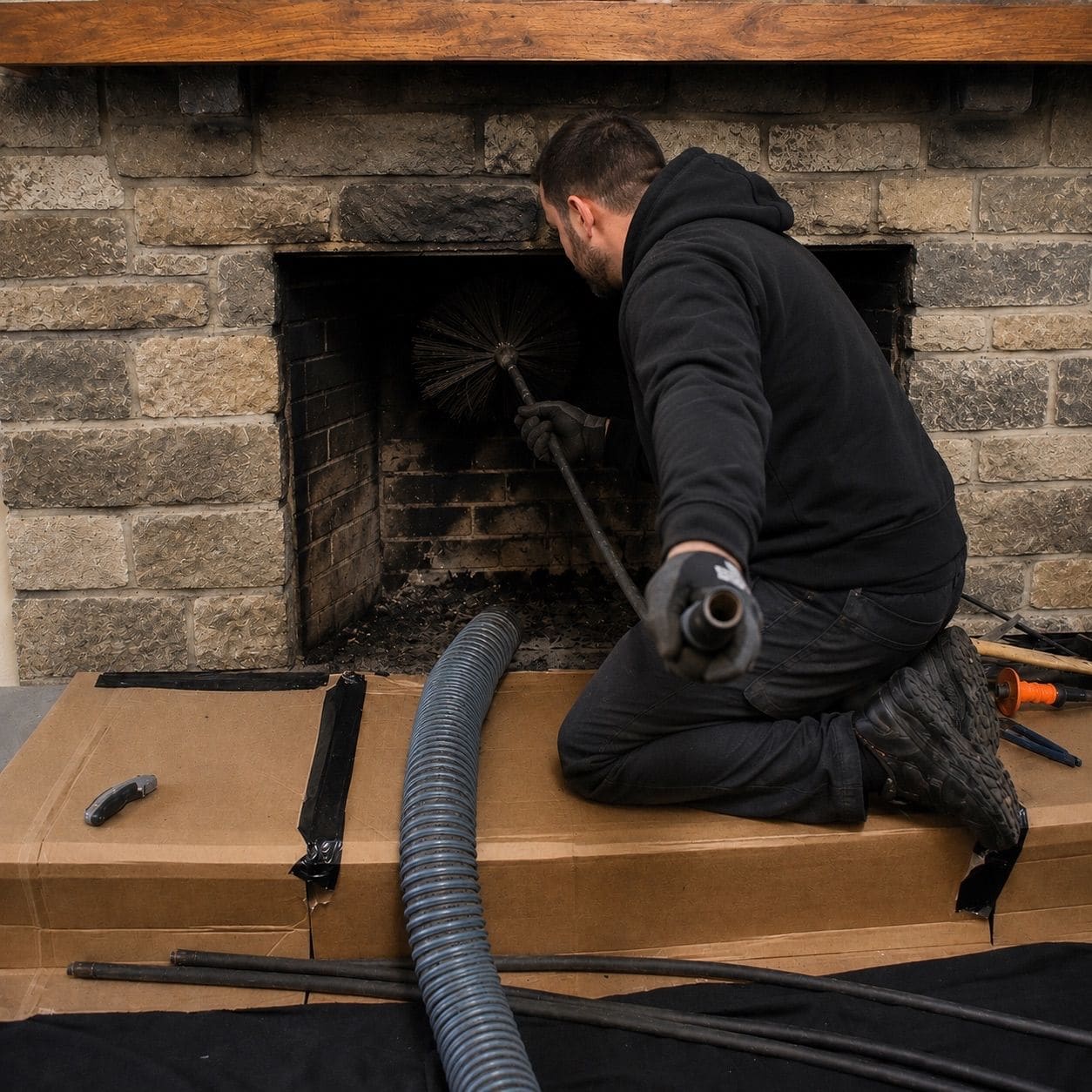
Chimney Cleaning
Creosote, soot and debris out of the flue and smoke chamber.
Learn more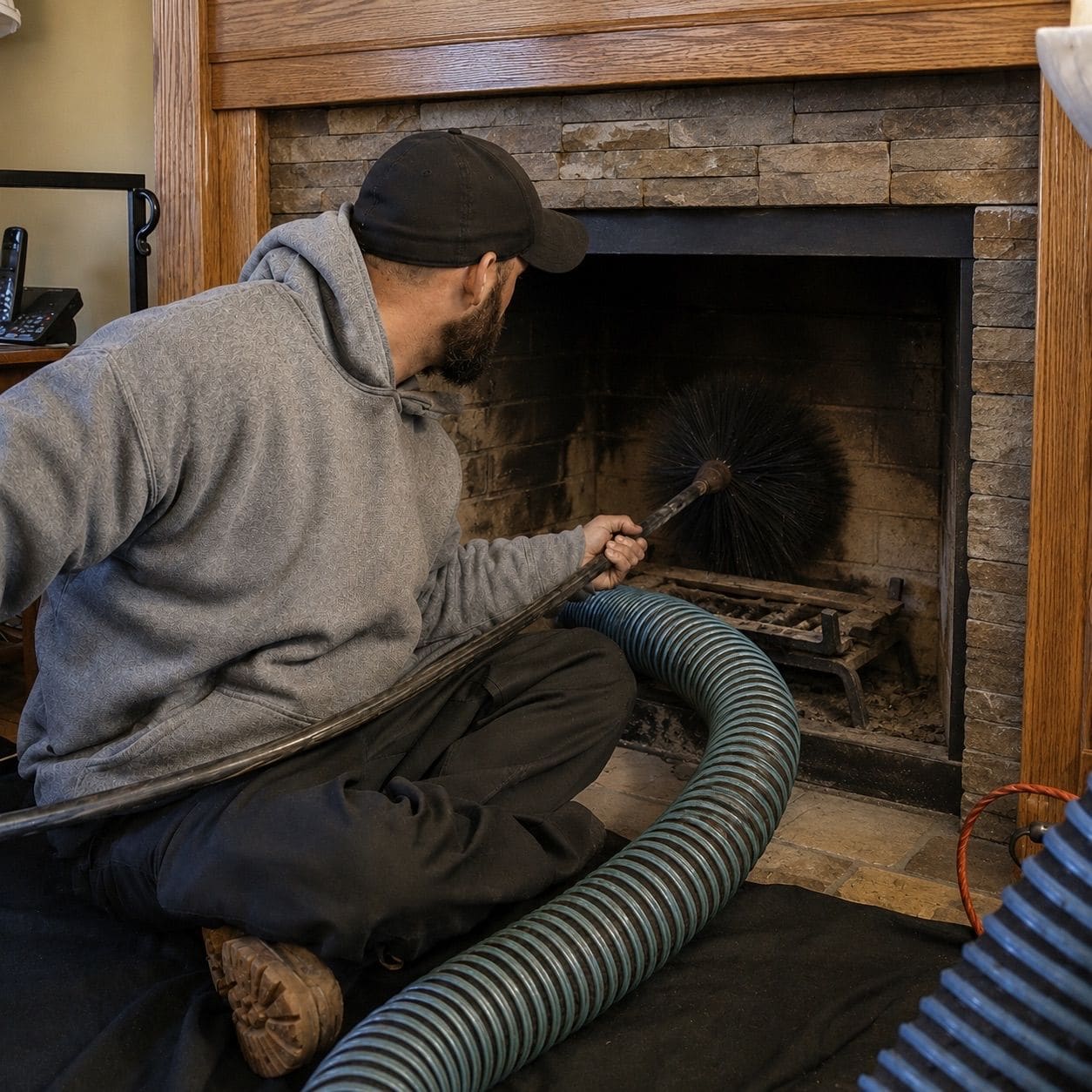
Chimney Sweep
What a sweep visit covers, and how often a fireplace needs one.
Learn more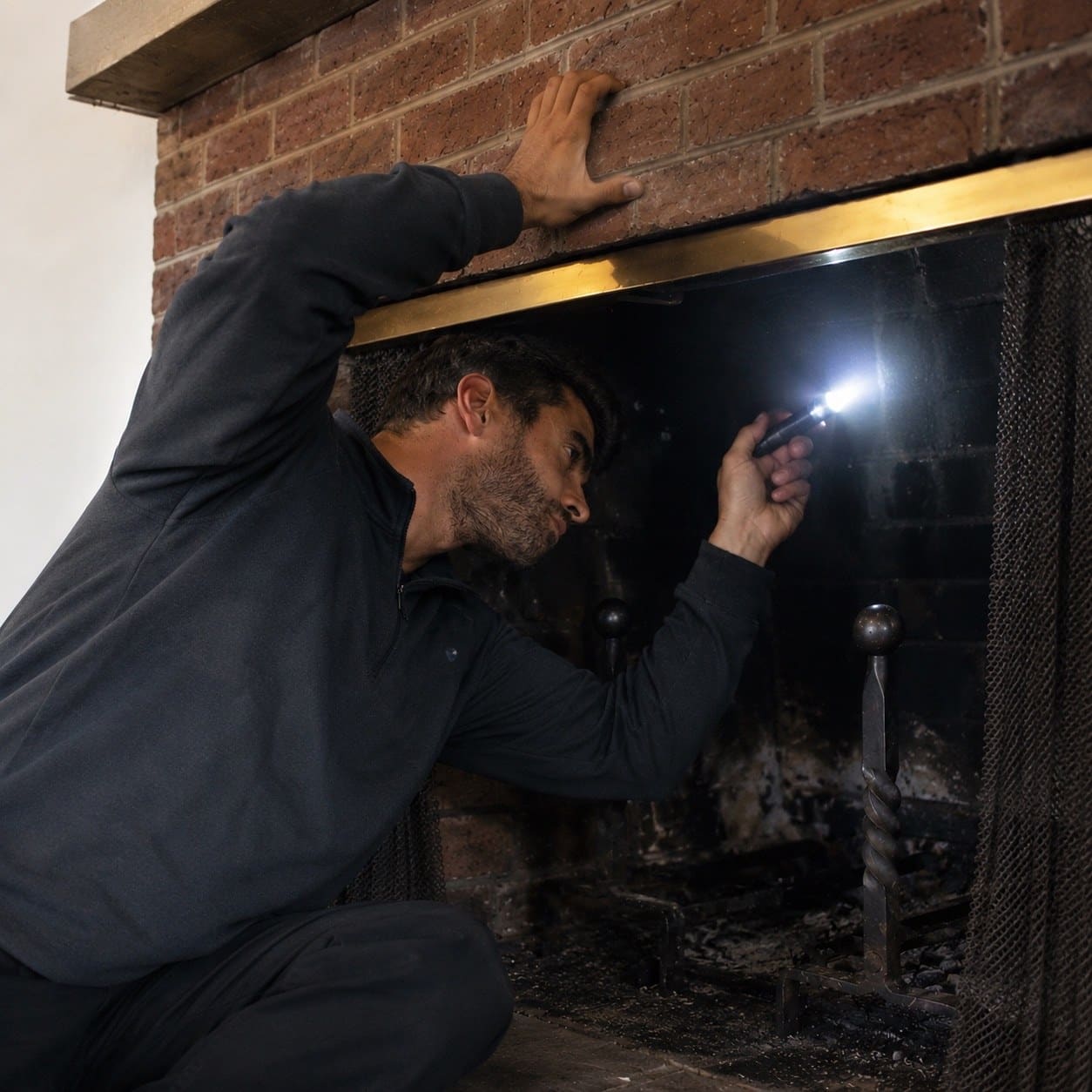
Chimney Inspection
Inspection levels, and when a fuller look is worth it.
Learn more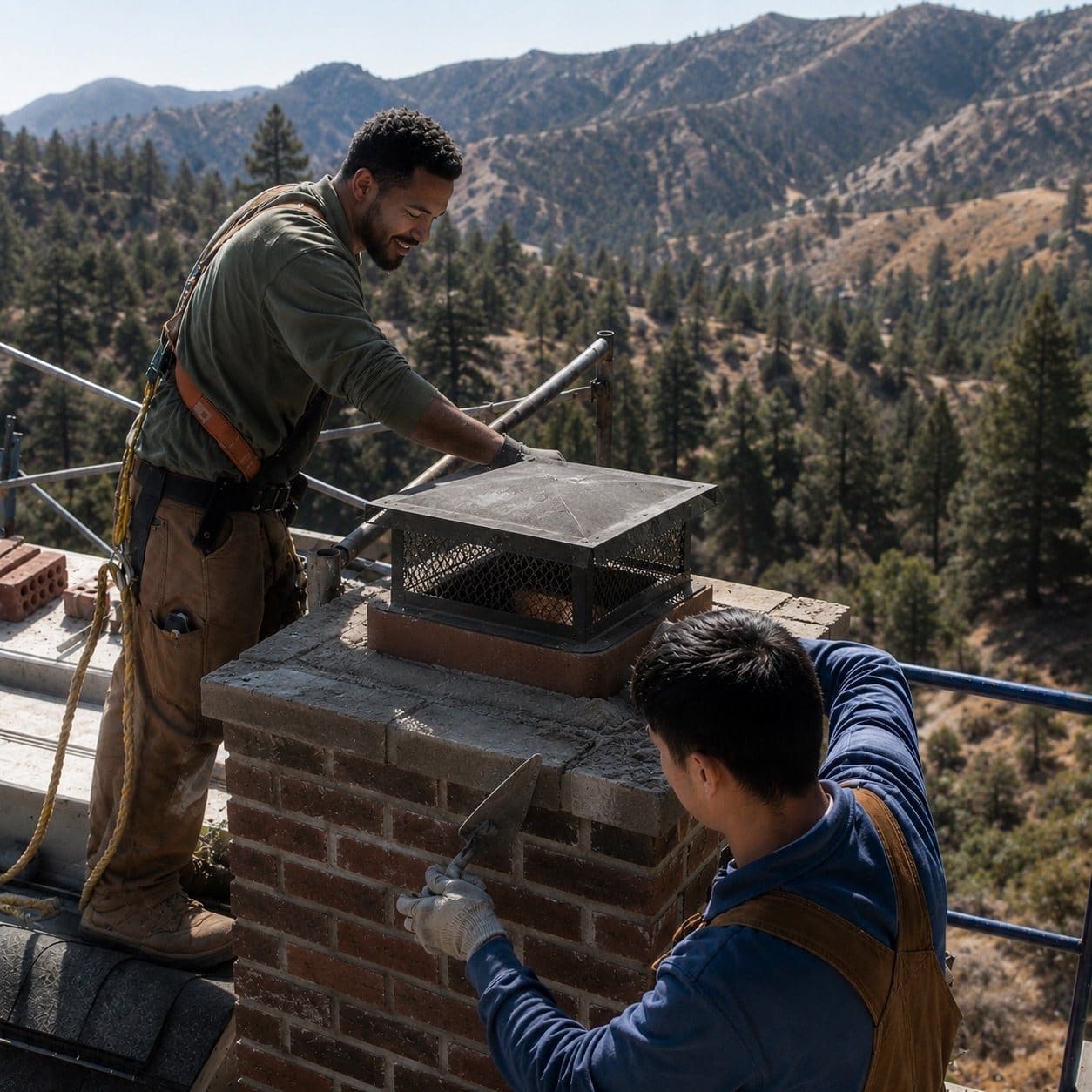
Chimney Repair
Crowns, brick, mortar and flues — which repair fits which fault.
Learn more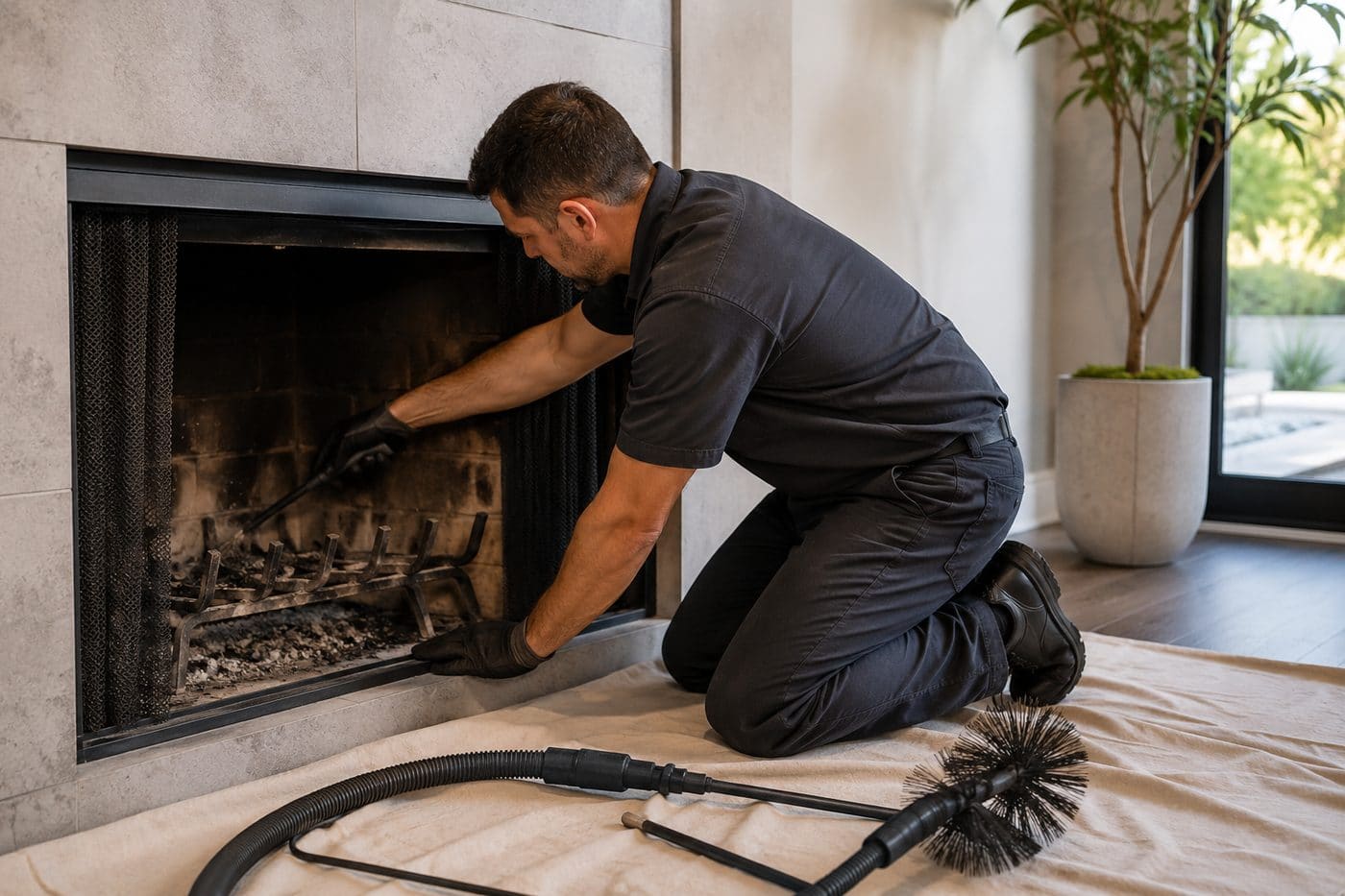
Fireplace Repair
Fireplaces that smoke, will not light, or have damaged fireboxes.
Learn more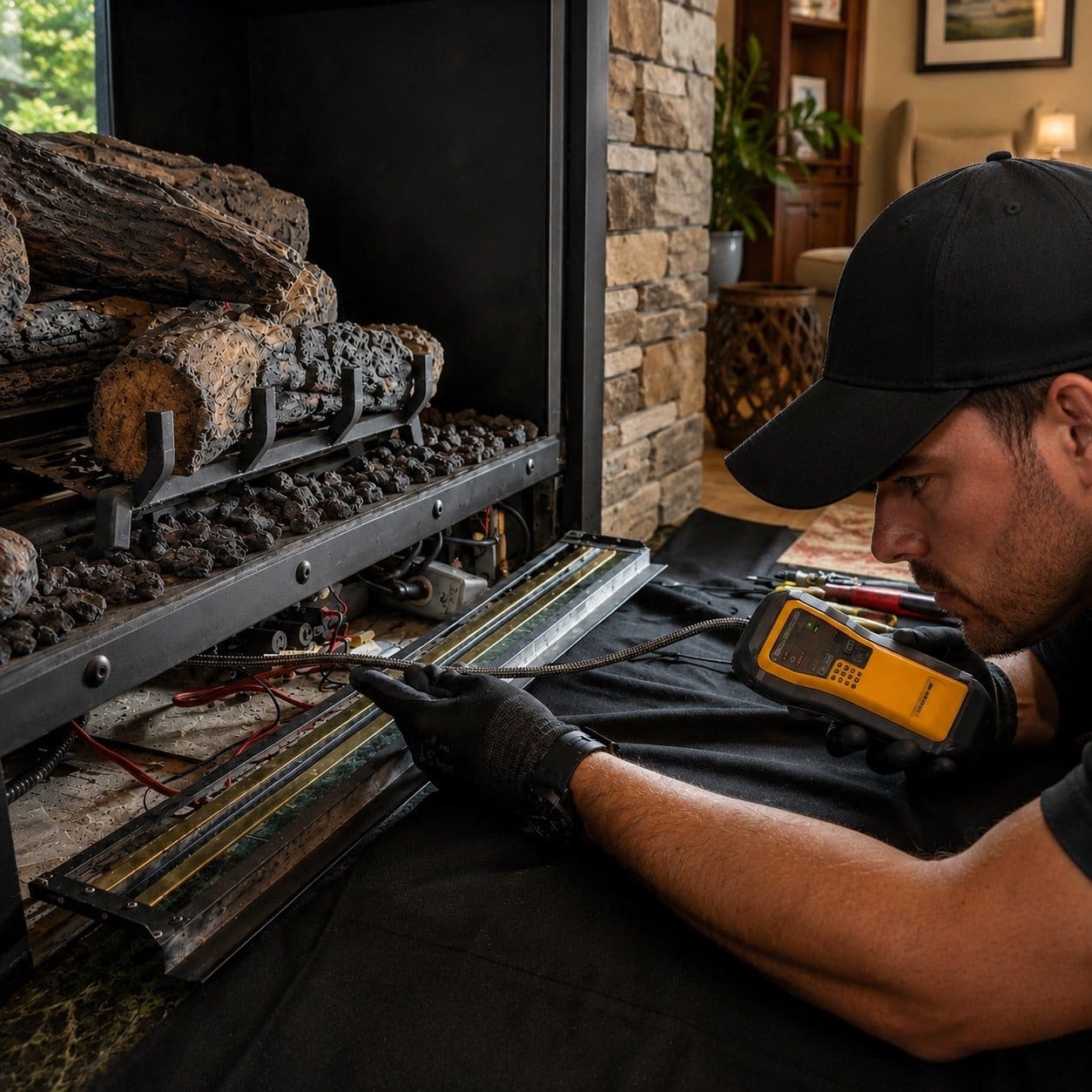
Gas Fireplace Repair
Pilot, thermocouple, valve and ignition faults.
Learn more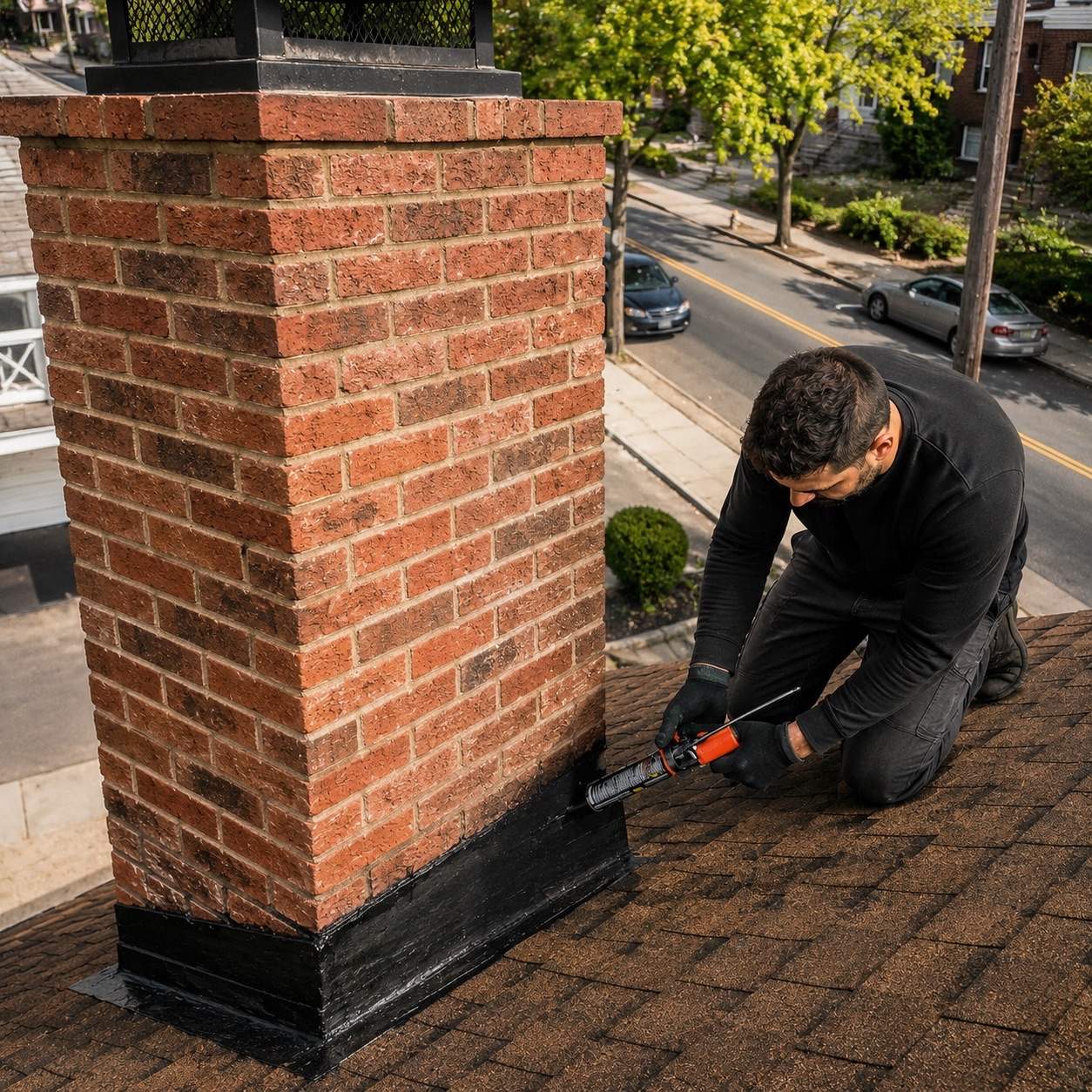
Chimney Leak Repair
Finding whether the crown, cap, flashing or brick lets water in.
Learn more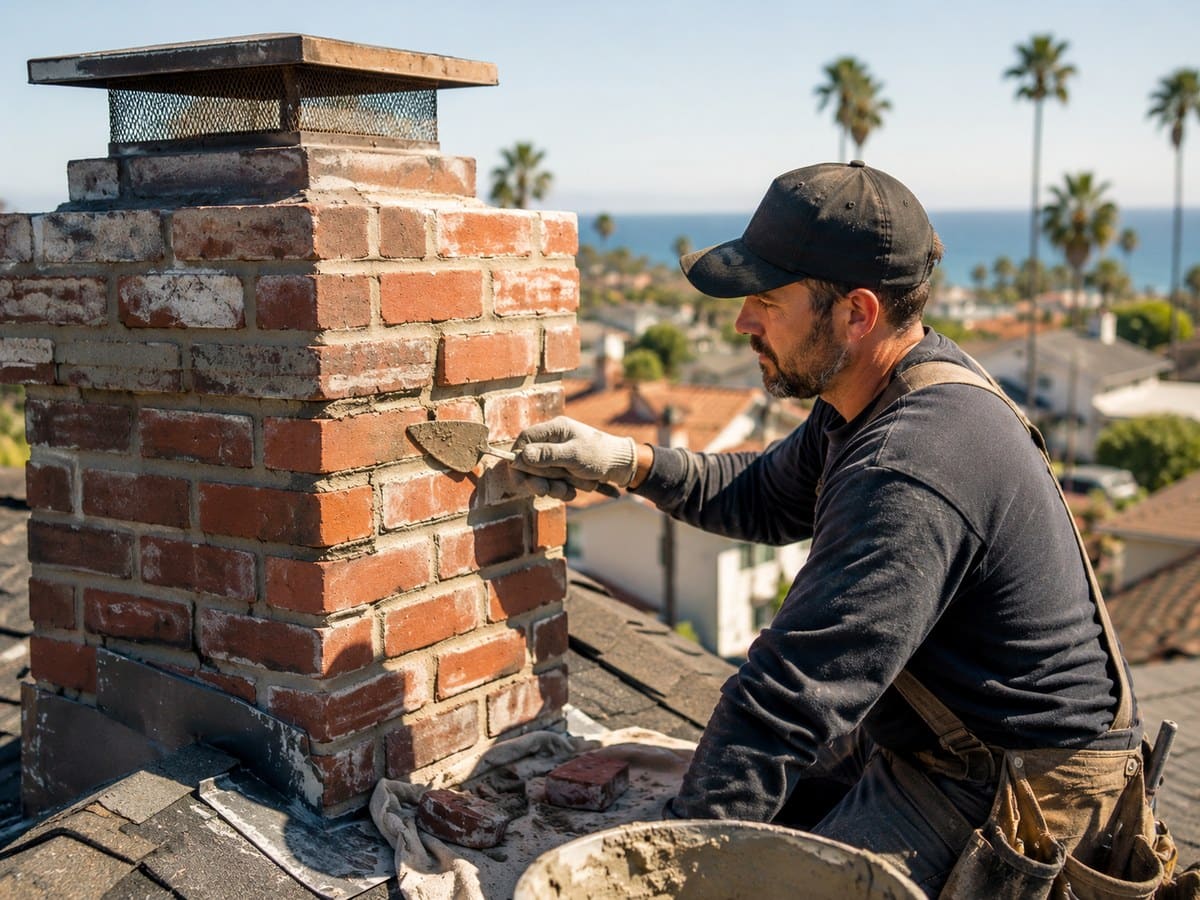
Chimney Masonry Repair
Spalled brick and open joints on the stack.
Learn more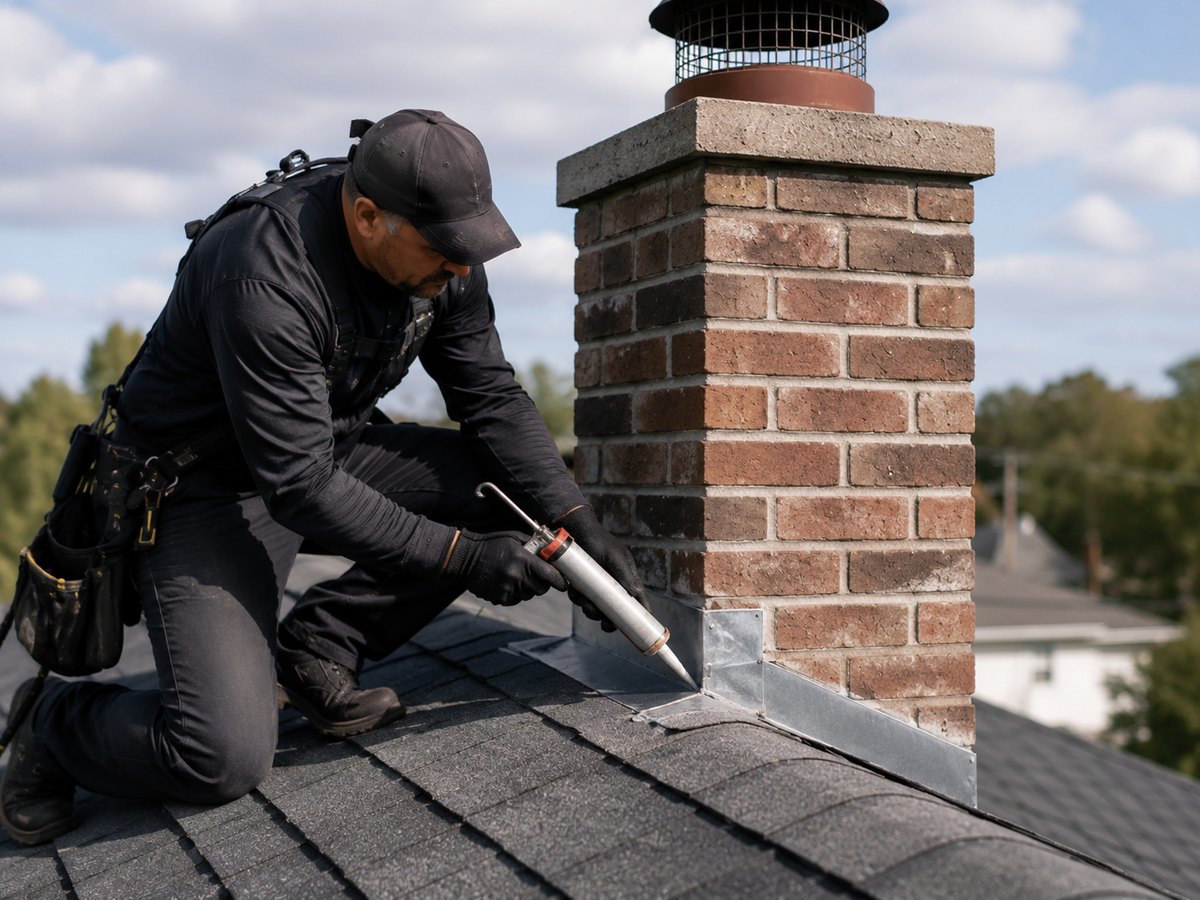
Chimney Waterproofing
A breathable repellent for sound masonry — the last step, not a leak cure.
Learn more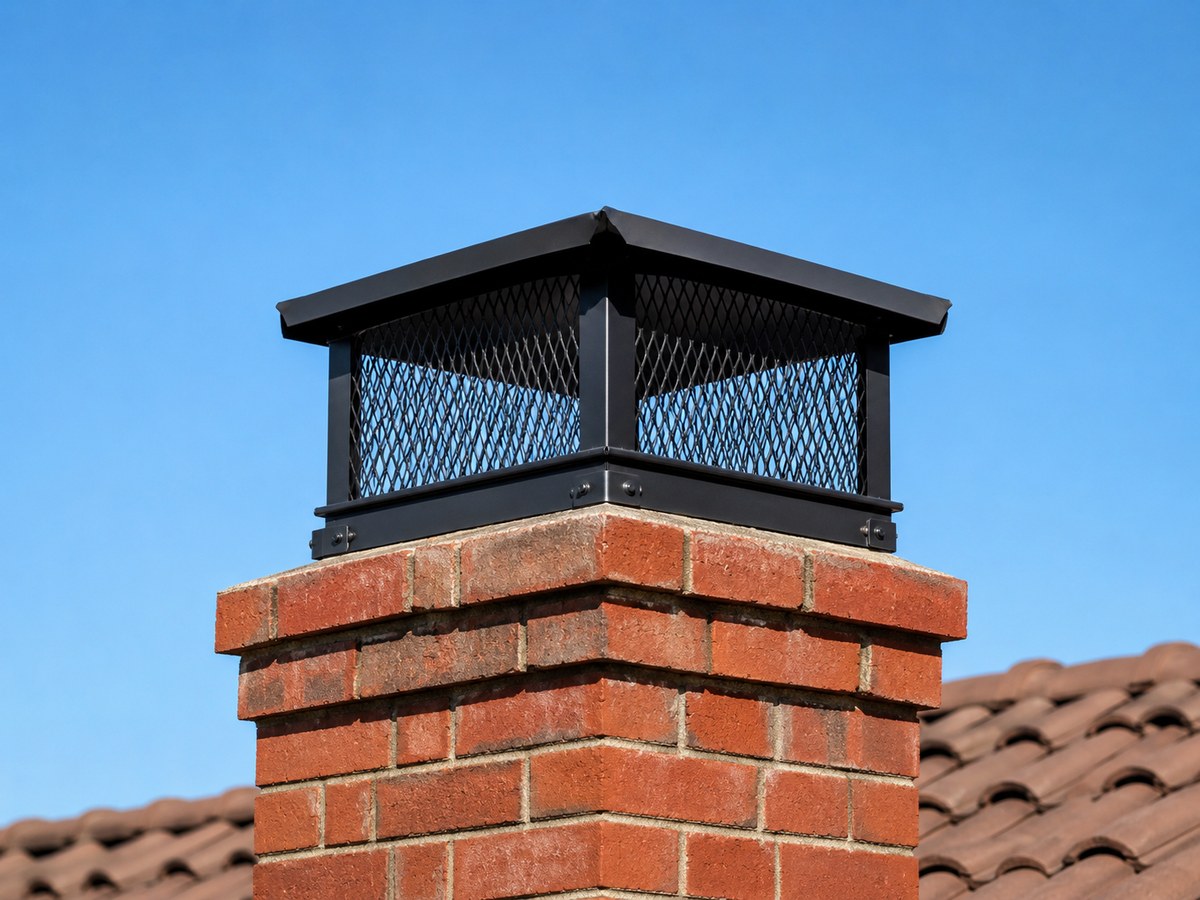
Chimney Cap Installation
A cap over the flue to keep out rain, animals and debris.
Learn moreBrowse by part of the chimney
Nine groups, from the flue to the dryer vent.
Chimney & Fireplace Cleaning
Chimney Cleaning
Soot, creosote, blockages and odors — what comes out of the flue, and when.
Inspection & Diagnosis
Chimney Inspection
Establishing condition before a fire, a sale, or after a quake.
Chimney Repair & Masonry
Chimney Repair
Brick, mortar and structure, from repointing to rebuilding.
Leaks & Water Damage
Chimney Leak Repair
Tracing where rain gets in and fixing that entry point.
Liner, Flue & Damper
Chimney Liner Repair
The flue lining and damper that keep heat and gases in their path.
Caps, Screens & Chimney Top
Chimney Cap Installation
Caps, chase covers, screens and animals at the top of the stack.
Fireplace Repair
Fireplace Repair
Gas, wood and factory-built fireplaces that will not light, draw or run.
Fireplace & Insert Installation
Fireplace Installation
New fireplaces, inserts and wood-to-gas conversions, within the rules.
Dryer Vent Services
Dryer Vent Cleaning
Lint, blockages and damaged ducts on the dryer side of the house.
What is the chimney or fireplace doing?
Most people know the symptom before they know the service. Pick the closest one.
Smoke comes back into the room
Poor draw, smoke spilling from the opening, a smoky smell.
Draft and repairWater is coming down the chimney
Stains on the ceiling or damp around the firebox after rain.
Chimney leak repairThe fireplace smells, even unlit
A campfire or musty smell on warm or humid days.
Odor removalThe brick or mortar is cracking
Open joints, loose brick, or a face flaking off the stack.
Masonry repairThe cap is missing or rusted
A bare flue, or a cap that has corroded in the salt air.
Cap replacementThere is creosote build-up
Black flakes or a shiny, tarry coating inside the flue.
Creosote removalThe fire won't draw properly
Slow to catch, lazy flames, smoke hanging at the opening.
Chimney inspectionThe crown on top is cracked
A crumbling cement slab lets water straight into the brick.
Crown repairThe gas fireplace won't light
Pilot goes out, ignitor clicks, or the burner will not stay on.
Gas fireplace repairSomething is living in the flue
Scratching, fluttering or chirping from behind the damper.
Animal removalIt hasn't been cleaned in years
Soot and creosote build up with every fire.
Chimney cleaningI'm buying or selling a house
Or lighting a fireplace for the first time in years.
Inspection before a saleInspection, cleaning and repair each do a different job
And each one is worth doing at the right time rather than on reflex.
Inspection finds what you can't see
NFPA 211 recommends an annual inspection of any chimney in use. The liner, smoke chamber and crown are rarely visible from the room.
What an inspection coversCleaning removes fuel for a chimney fire
Creosote is combustible, and it builds with every wood fire. How much you burn — and how — decides how often it needs removing.
Creosote and its stagesRepair stops water doing the damage
Most chimney deterioration starts with water getting in at the top. Fixing the entry point matters more than sealing what shows inside.
The crown at the topVenting problems are a safety issue
A blocked or damaged flue can push combustion gases into the house. Carbon monoxide alarms belong on every level; if one sounds, get out and call 911.
Liners and fluesConditions by part of the county
- Coast and South Bay — corrosion on caps, chase covers and flashing.
- Canyons and foothills — spark arrestors, access and wildland-interface questions.
- Older neighborhoods — mortar, crowns and clay flue liners.
What Los Angeles does to a chimney
Los Angeles is not one climate. Near the coast, salt-bearing marine air works on every metal part of a chimney — caps, chase covers, spark arrestor mesh, damper plates, flashing. Inland, in the valleys and foothills, wider swings between hot days and cool nights move masonry more, and that movement is what opens mortar joints and cracks crowns over time.
The housing varies as much as the weather. Where a house dates from before the war, the chimney is likely to be masonry with a clay tile flue, and mortar, crown and liner condition are worth establishing rather than assuming. Where a house was built from the 1970s on, the fireplace is more often a factory-built unit with a metal flue, and repairs are a question of listed parts.
Rain arrives in a short winter season, so water problems tend to show up all at once, with the first real storm. Hillside streets add roof access to the list of things that shape a job. And the region is seismically active: a chimney can look sound from the street after a quake while the flue lining inside has cracked.
- Later suburbs — factory-built fireplaces, panels and chase covers.
- High desert — freezing nights and freeze-thaw damage to brick.
Wood burning in the South Coast Air Basin is subject to seasonal no-burn days — see the no-burn rules explained.
Find your service areaHow the services fit together
The same symptom can belong to different jobs. These are the usual decisions.
Cleaning or inspection?
If you burn wood regularly and the chimney is known to be sound, cleaning is the routine job. If you do not know its condition — a new house, years unused, or after a quake — start with an inspection.
See the pages in this groupRepointing or rebuilding?
Open mortar joints on a sound stack are repointed. A stack that leans, has loose top courses or is cracked through is a rebuilding conversation.
See the pages in this groupLeak repair or waterproofing?
An active leak needs its entry point found and fixed — crown, cap, flashing or brick. A water repellent is the last step on sound masonry, not a cure for a leak.
See the pages in this groupRepair the fireplace or replace it?
Most gas and wood fireplace faults are repairable. Where a factory-built unit's parts are no longer made, or the firebox is failing, replacement or an insert may be the realistic choice — within SCAQMD rules for new devices.
See the pages in this groupHow an estimate request works
Tell us what the chimney or fireplace is doing and where it is. A sentence is enough to start; the more you can see from the ground, the more useful the reply.
- 1
Describe the problem
Call, or send a short description with your ZIP code. A photo from the ground helps.
- 2
Get a reply
The request is reviewed and you are contacted to talk through what makes sense.
- 3
Decide
Read up on the options before agreeing to any work.
Make the estimate useful
- What you see, and when it started
- Whether it happens in rain or when a fire is lit
- Masonry or factory-built, if you know
- How many fireplaces the house has
- A photo from the ground, taken safely
Get a Free Estimate
A sentence about the problem and your ZIP code is enough.
What decides the cost of chimney work
This site does not publish prices, because the same job can differ a great deal from one house to the next. These are the variables an estimate turns on.
Access
Roof pitch, height and how far equipment has to travel decide a lot of the setup, often more than the work itself.
Type of chimney
A masonry chimney and a factory-built unit fail differently and are repaired with different materials and parts.
Number of flues
Each flue is its own system. A stack serving several fireplaces is several assessments.
Condition found
Light soot brushes off; glazed creosote, cracked tile or loose brick turns a cleaning into a repair conversation.
Materials
Galvanized, stainless or copper caps; clay or stainless liners; matched or modern mortar — each changes the scope.
Review and permits
Structural work, relining and historic districts can involve the local building or planning department.
Chimney service in your city or neighborhood
Cities across Los Angeles County and neighborhoods within the City of Los Angeles, each with notes on the local conditions that affect a chimney.
Cities
- Los Angeles
- Long Beach
- Pasadena
- Glendale
- Burbank
- Santa Clarita
- Torrance
- Redondo Beach
- Santa Monica
- Beverly Hills
- Culver City
- Calabasas
Los Angeles neighborhoods
Helpful reading before you book
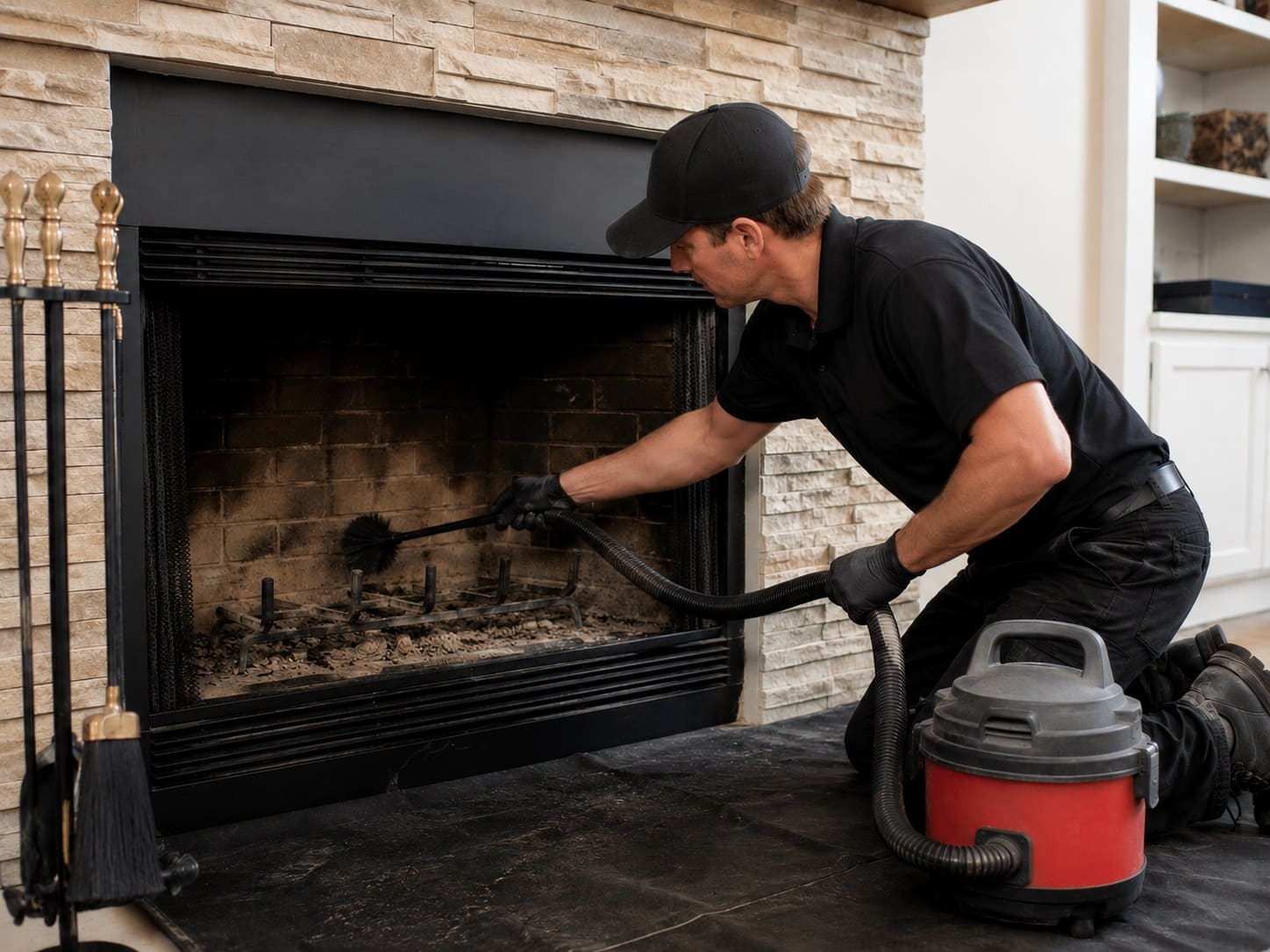
How Much Does Chimney Cleaning Cost in Los Angeles?
Prices vary. What you actually pay depends on chimney condition, how long cleaning takes, and whether an inspection is included. Here's the honest breakdown.
Read moreChimney Inspection Cost in Los Angeles: What Drives the Price
The price of a chimney inspection follows its scope. The three NFPA 211 levels explained as industry terms, the situations that call for more than a routine look, and the questions that make two quotes comparable.
Read more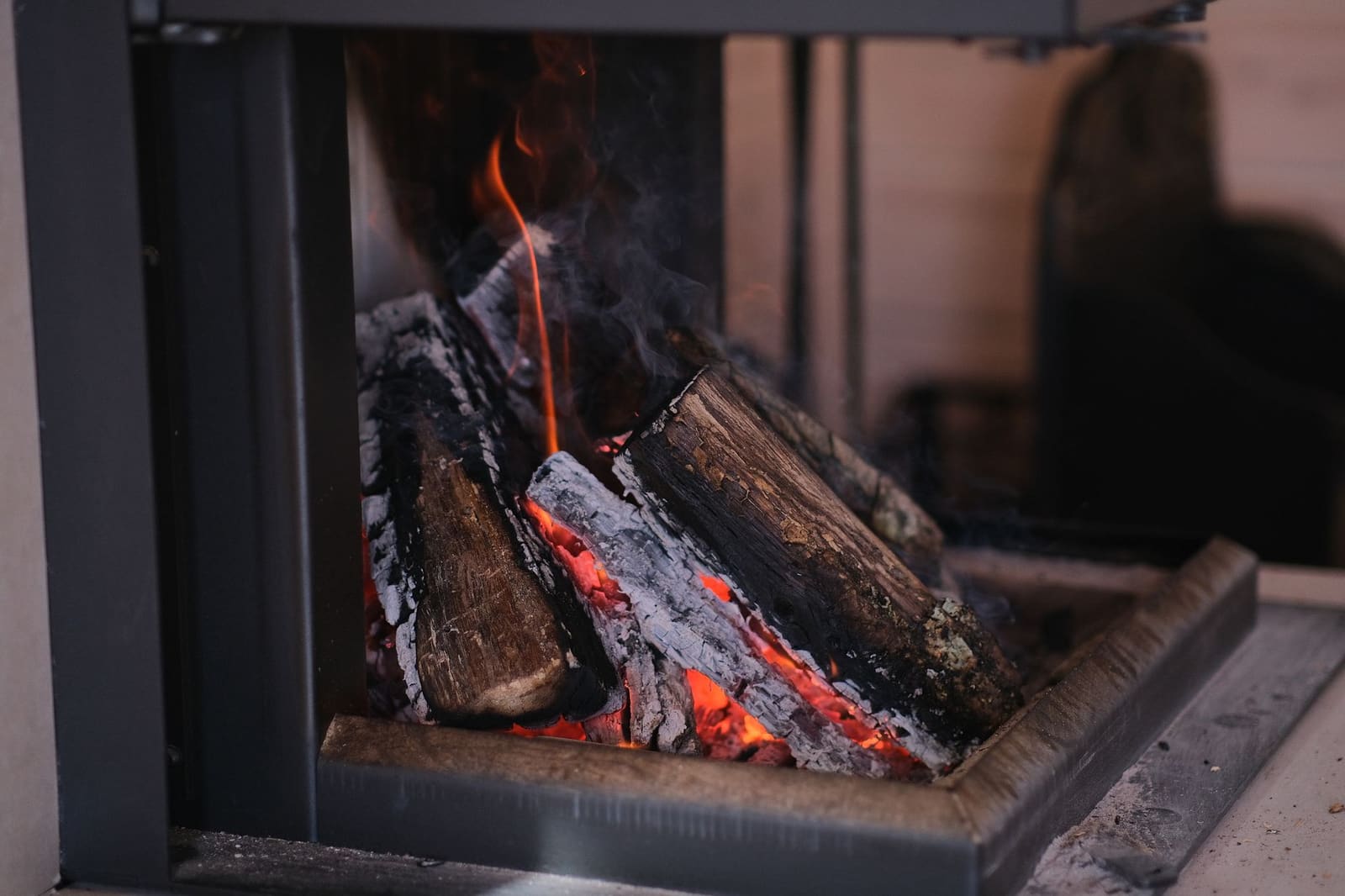
Can You Burn Wood in Los Angeles? SCAQMD No-Burn Rules
Yes, on most days. Not on a no-burn day, not with an EPA-certified stove as an excuse, and no new wood-burning device in development begun on or after March 9, 2009. What South Coast AQMD Rule 445 actually says.
Read more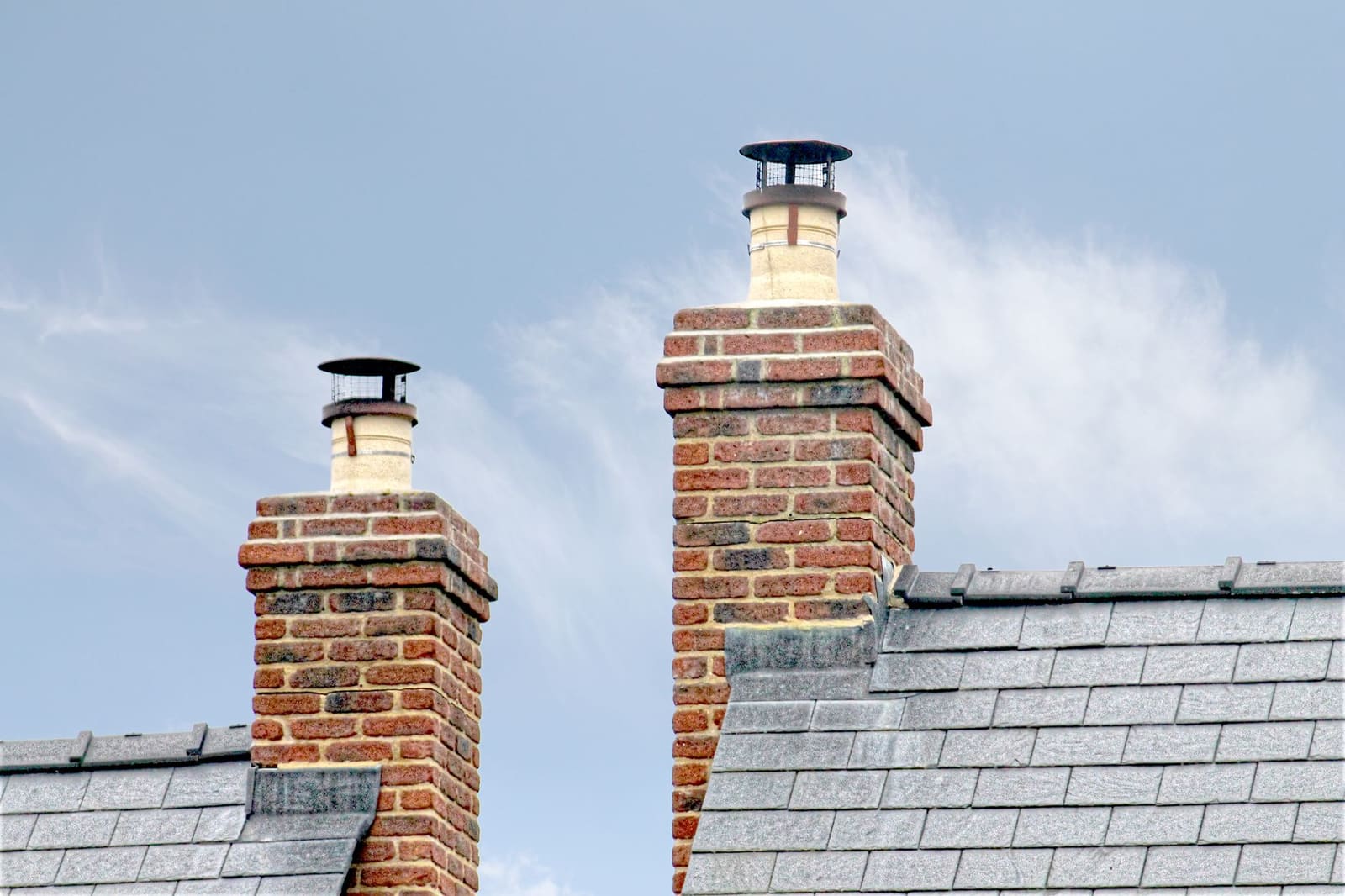
Chimney Earthquake Damage in Los Angeles: What to Check
Treat a masonry chimney as unsafe after an earthquake until someone has looked at it. What you can check from the ground and the hearth, what only a look inside the flue will show, and what the repair options are.
Read moreParts of a Chimney: What Each Component Does and How It Fails
A chimney is nine or so separate parts, and each one fails in its own way. A roof-to-hearth walk through every component, what goes wrong with it, and what the symptom looks like from inside.
Read more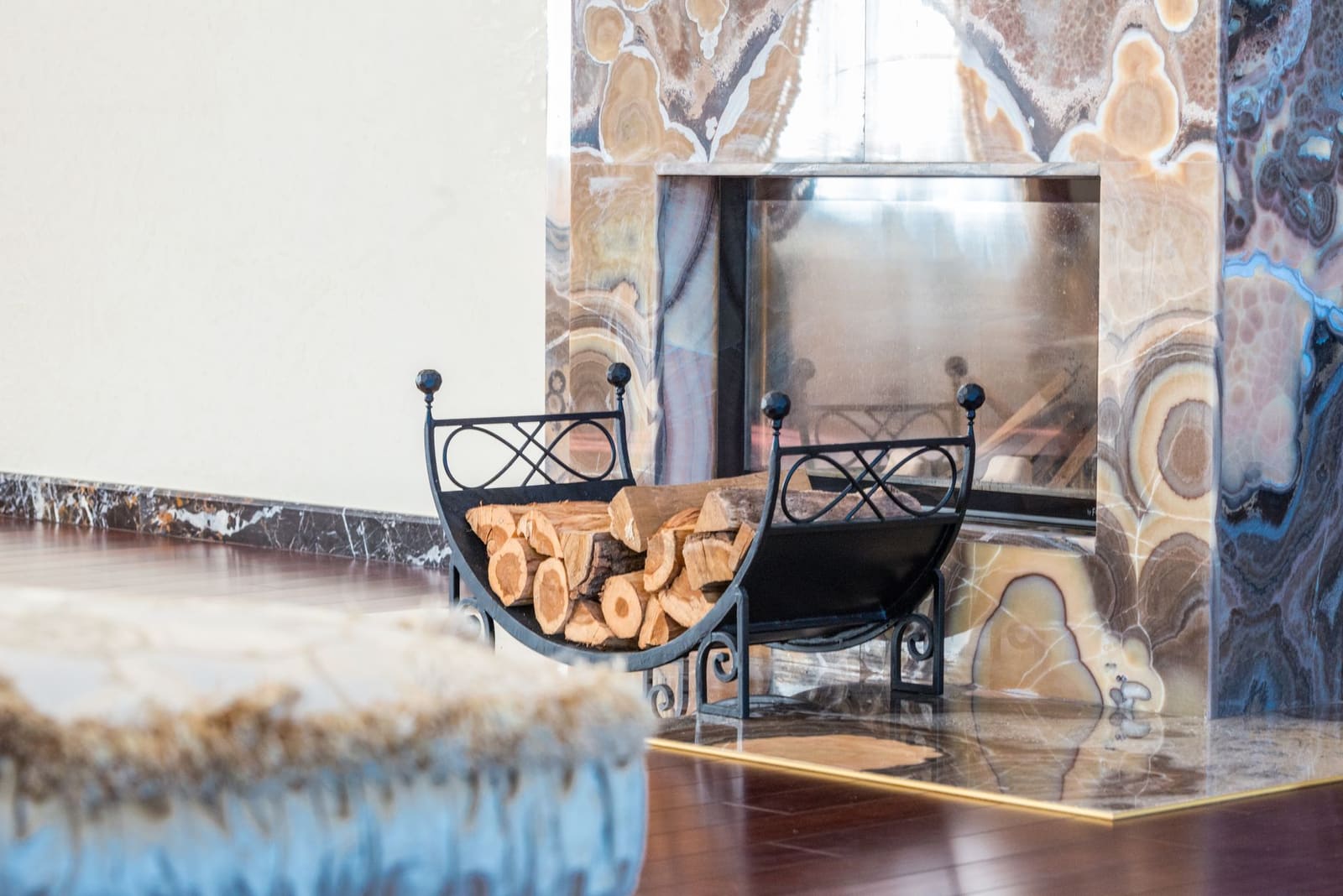
Does Homeowners Insurance Cover Chimney Repair?
Sometimes. It turns on what caused the damage and what your policy says. Wear and slow leaks are typical exclusions, earthquakes are excluded from standard policies, and fire following an earthquake must be covered under California law.
Read moreChimney and fireplace questions in Los Angeles
More chimney and fireplace questions are answered on the main FAQ page.
Chimney or fireplace trouble in Los Angeles?
Call, or send a sentence about the problem and your ZIP code. Estimates cost nothing.